Seinfeld Trivia Questions Quiz
True / False
True / False
True / False
True / False
True / False
True / False
True / False
True / False
True / False
True / False
True / False
True / False
True / False
True / False
Seinfeld Trivia Misses That Happen Fast: Titles, Side Characters, and Quote Attribution
Mixing up object-titled episodes
Many episodes are named for a single prop, but the prop is not always the main point of the story. If you only remember “the episode with the shirt” or “the one with the rye,” you can get trapped by similar premises.
- Fix: Pair each episode title with one unique anchor: a specific side character, a single location, and one irreversible outcome (who got fired, who got banned, who got dumped).
Blurring A-plot and B-plot details
Hard questions often ask what happens in parallel, not what happens “in general.” Fans remember the loud moment, but forget the smaller scheme that runs alongside it.
- Fix: On rewatch, jot two columns (Jerry and Elaine, George and Kramer). Add one line for the exact scene where the plots collide.
Recurring character confusion
Newman, Puddy, Peterman, Uncle Leo, and Frank and Estelle show up in different contexts across seasons. A quiz will punish a vague memory like “Elaine’s boyfriend” or “Jerry’s enemy.”
- Fix: Lock in each character’s role with a tight tag: relationship to a main character, their workplace link, and one signature behavior.
Quote drift and speaker swaps
Famous lines get repeated in fandom, which strips them of the setup and the response. Many questions hinge on who says the follow-up line or who is being mocked in the exchange.
- Fix: Memorize quotes as two-part beats: the setup and the immediate reply. Then attach the beat to the scene location (apartment, Monk’s, office) so you do not swap speakers.
Authoritative Seinfeld References for Awards, Production Context, and Verified Props
Official and museum-grade sources
Use these references to verify details that show up in harder Seinfeld trivia rounds, especially awards counts, broadcast history, and iconic props with documented provenance.
- Television Academy: “Seinfeld By the Numbers”: Emmy-focused stats and series-level trivia from the organization behind the awards.
- Library of Congress: “Page From the Past: A Show About Nothing”: Pilot-era script page and broadcast-history context.
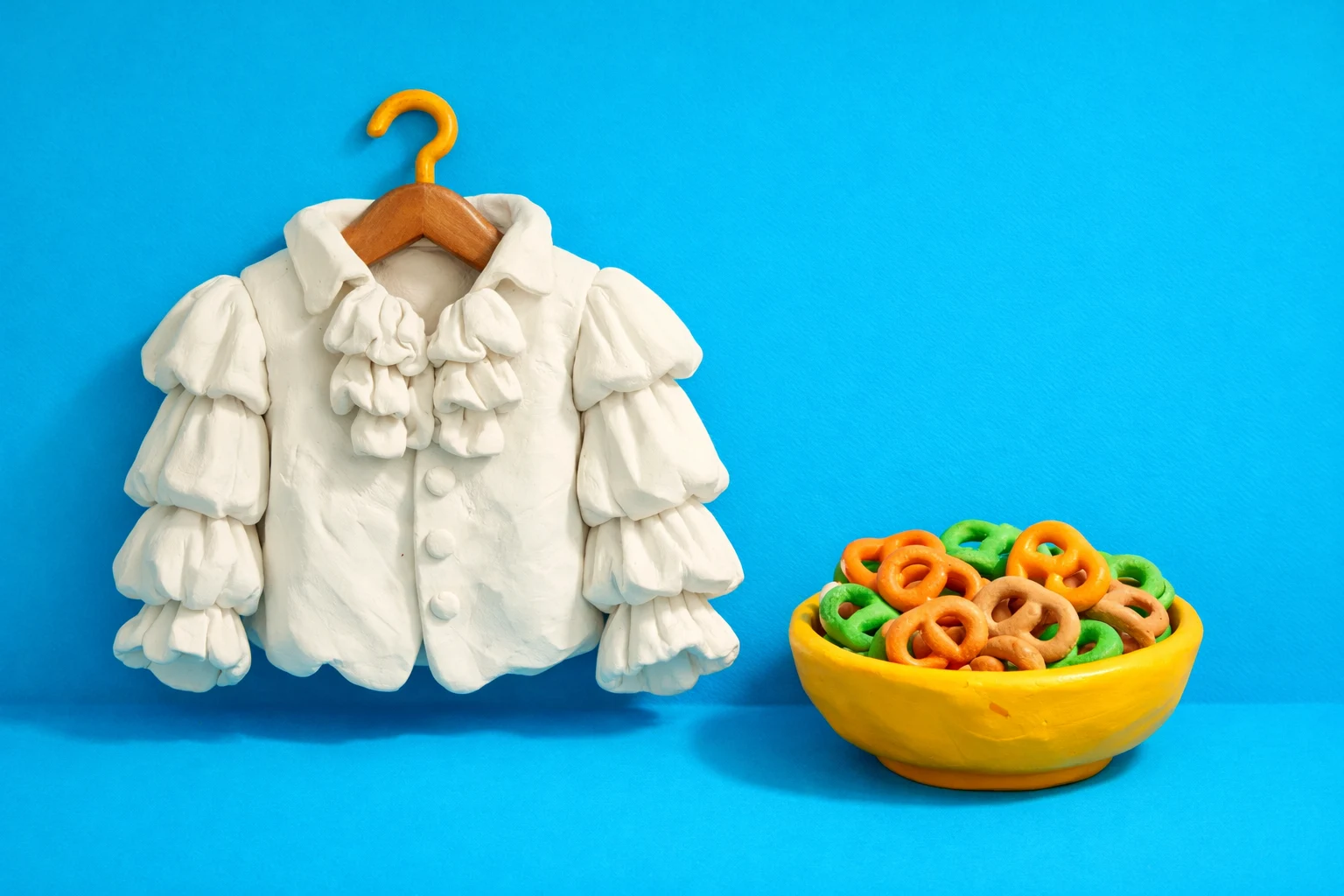
- Smithsonian NMAH Collections: Seinfeld’s “Puffy Shirt” object record: Catalog metadata, description, and broadcast date tied to a specific artifact.
- National Museum of American History blog: “What is it about the puffy shirt?!”: Curatorial explanation of why the object matters and what was collected with it.
- PBS Wisconsin: Pioneers of Television, “Standup to Sitcom”: Creator and performer commentary that supports behind-the-scenes questions.
Seinfeld Trivia Questions FAQ: Canon Rules, Wording Traps, and How to Study
Common questions from intermediate quiz-takers
What usually counts as “canon” in Seinfeld trivia questions and answers?
Most trivia expects facts from aired episodes: dialogue, on-screen props, and events that happen in the plot. Harder quizzes sometimes add awards, credited roles, or broadcast-history facts. Treat those as a separate category and study them from official sources, not from quote pages.
Why do I keep mixing up episodes that have similar premises?
Seinfeld repeats situation types on purpose: bad dates, petty grudges, workplace disasters, and social etiquette failures. A title might point to a prop, while the premise sounds like three other episodes. Build a three-part anchor for each episode: prop, location, and the side character who is essential to the gag.
How do I get better at questions that link A-plots and B-plots?
Trivia writers like cross-plot logic because it rewards attention, not just fandom. Practice recalling one “bridge moment” where storylines intersect, such as a shared setting, a handoff of an item, or a conversation that triggers someone else’s scheme. That bridge is often the question’s real target.
A question misspells the show as “Seinfield” or “Sienfeld.” Should I treat it as a trick?
Most of the time it is a typo, not a new clue. Use the substantive hints instead: character names, settings like Monk’s, and the specific action in the scene. If the options include the correct spelling, pick it and move on.
What is the fastest way to improve without doing a full rewatch?
Focus on recurring characters, workplaces, and signature objects. Make a one-page sheet that pairs each recurring character with one job or relationship, plus one episode where they are central. For broader screen trivia reps outside Seinfeld, use Test Your Film and TV Trivia Skills.
How should I handle quote questions when multiple characters repeat a phrase?
Do not memorize quotes in isolation. Memorize the exchange: who says it, who hears it, and the immediate comeback. Also memorize the scene setting, because the apartment and Monk’s lines tend to have different rhythms than workplace scenes, which helps separate similar phrasing.
Want more quizzes like this? Explore the full QuizWiz workplace quiz library.