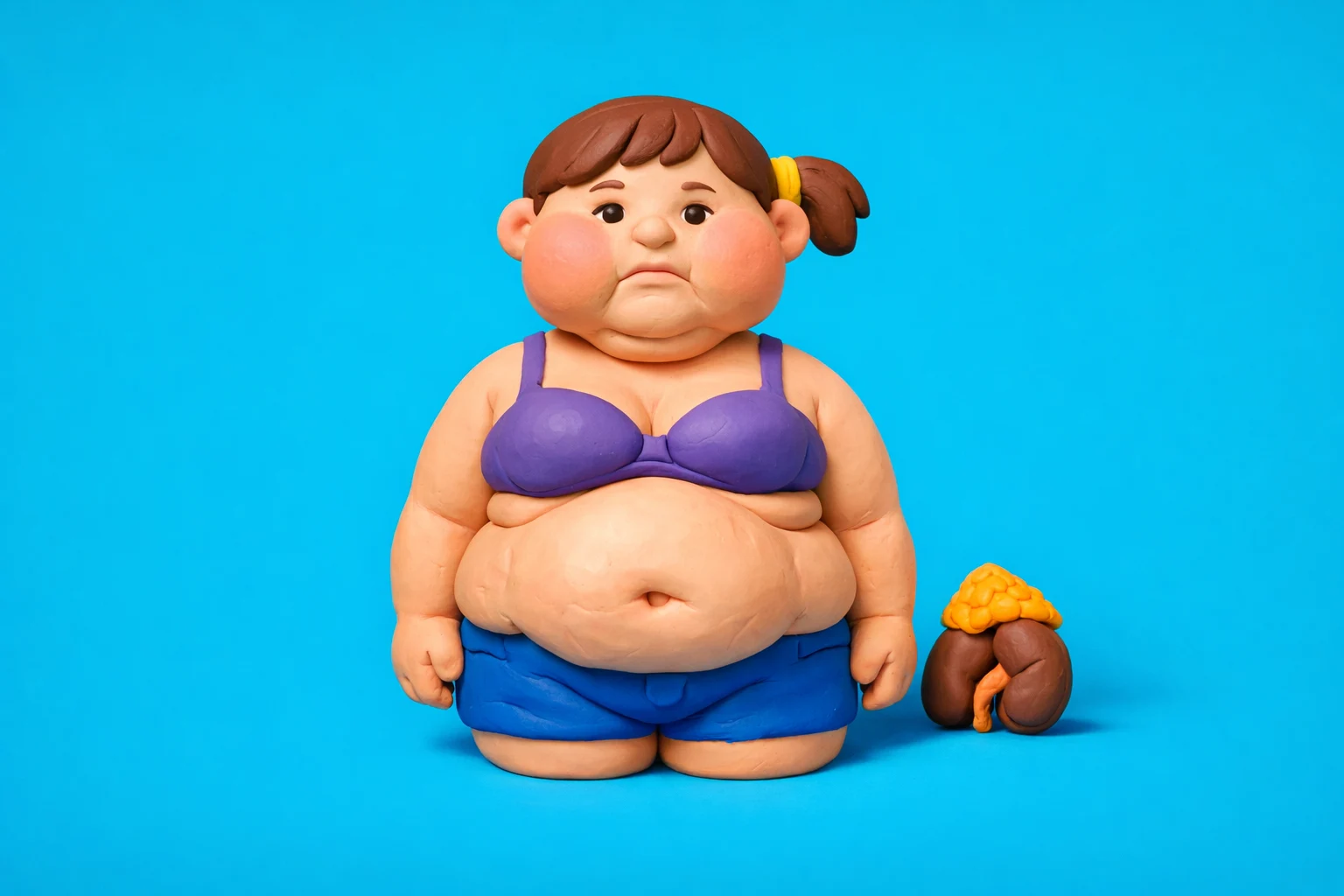
Do I Have Cushing's Syndrome? Check Your Symptoms
Four Results, Four Ways to Read the Cushing’s Plot
This quiz sorts you into a result based on how you weigh symptom clusters, meds history, and screening-check logic. None of these results can confirm Cushing’s syndrome. They reflect how your answers point toward higher suspicion, common mimics, or “missing-context” gaps. (pmc.ncbi.nlm.nih.gov)
Strategist
You spot the pattern first: multiple “cortisol excess” signals landing together, not one random clue. You tend to score Strategist if you consistently choose options that connect classic body changes like wide purple stretch marks, easy bruising, and fat redistribution, then pair them with “confirm with more than one screening check” instincts. (niddk.nih.gov)
Analyst
You are a numbers-and-protocol brain. Analyst shows up when you keep returning to “use one of the standard screening checks” and “repeat or cross-check” thinking, especially late-night salivary cortisol, 24-hour urine free cortisol, and the 1 mg overnight dexamethasone suppression check. You also avoid overreacting to a single abnormal result. (pmc.ncbi.nlm.nih.gov)
Connector
You chase the hidden backstory. Connector results come from answers that prioritize “what else explains this,” especially glucocorticoid exposure across pills, shots, creams, and inhalers, plus context like depression or heavy alcohol use that can mimic cortisol excess. You treat the med list like canon, not trivia. (medlineplus.gov)
Creative
You notice the weirdly specific details other people skip. Creative shows up when you pick physical-sign combos that are uncommon in everyday weight gain alone, then you use those details to steer the “next best check” choices. Your answers lean toward visual and texture cues, like thin skin and easy bruising, that make the case feel distinct. (niddk.nih.gov)
Cushing’s Syndrome Quiz FAQ for Interpreting Your Result Without Guesswork
How accurate is this quiz at telling me if I have Cushing’s syndrome?
It cannot tell you that. Cushing’s syndrome usually needs a careful look at symptoms plus formal screening checks, and even then, false positives happen. Use your result as a “what should I ask next” summary, especially if you have multiple specific signs or long-term steroid exposure. (pmc.ncbi.nlm.nih.gov)
I got a close match between two outcomes. What does that mean?
It usually means your answers mixed “classic cortisol” clues with big mimic clues. That can happen in pseudo-Cushing states like depression or alcohol-related cortisol changes, or when steroid meds are part of the story. Retake and answer as literally as possible for the last 3 to 6 months of symptoms. (ncbi.nlm.nih.gov)
Does one abnormal at-home or single lab result prove anything?
No. A single high cortisol-related result can be a false alarm, and guidelines commonly use more than one type of screening check to confirm the pattern. If your result mentions “Analyst energy,” that is the quiz rewarding your instinct to confirm, repeat, and cross-check. (pmc.ncbi.nlm.nih.gov)
What is the difference between Cushing’s syndrome and Cushing’s disease in this quiz?
Cushing’s syndrome means cortisol excess from any cause. Cushing’s disease is the pituitary-ACTH version specifically. If a question stem is vague, the safer language is usually “syndrome.” (niddk.nih.gov)
I use prednisone or steroid inhalers or creams. How does that change my interpretation?
It changes everything. Taking too much glucocorticoid medicine is a common cause of Cushing’s syndrome, and it can come from pills, injections, inhalers, or topical forms if the dose and duration add up. Bring your full med list to a healthcare professional before chasing rarer internal causes. (medlineplus.gov)
What should I do if my result feels “high suspicion” and I am worried?
Book a medical appointment and show the symptom pattern that worried you, not only one number or one photo. Common first-step screening checks often include late-night salivary cortisol, 24-hour urine free cortisol, or an overnight dexamethasone suppression check. Seek prompt care if you feel very unwell or symptoms are rapidly worsening. (pmc.ncbi.nlm.nih.gov)
Cortisol Lore Corner: Tropes Hidden in Cushing’s Syndrome Clues
This quiz has its own recurring “episode beats.” If you felt seen by certain questions, you were catching the same motifs that show up again and again in Cushing’s syndrome explainers and support communities. (niddk.nih.gov)
The “Moon Face Cameo” is rarely a solo act
When the quiz stacks rounder face with central weight gain, dorsocervical fat pad, and thin-skin bruising, it is mimicking how classic Cushing’s features tend to travel in a pack. One feature alone is a weak plot twist. (pmc.ncbi.nlm.nih.gov)
Purple striae are the show’s special effects budget
Wide purple stretch marks get a lot of screen time because they are less “everyday” than routine weight gain. The quiz treats them as a high-signal detail, especially when paired with easy bruising or slow healing. (niddk.nih.gov)
The real villain is often “Steroid Meds in Disguise”
If you noticed questions that hide steroids inside a long med list, that is intentional. Major references emphasize that glucocorticoid medicines can cause Cushing’s syndrome, and they can be taken by mouth, by shot, by inhaler, or applied to skin. (medlineplus.gov)
Pseudo-Cushing is the fan-favorite fake-out arc
Depression, heavy alcohol use, and severe obesity can push cortisol readings up and mimic parts of the picture. The quiz uses this to create “close match” endings on purpose. (ncbi.nlm.nih.gov)
Dexamethasone is the “fake ID” prop
The overnight dexamethasone suppression check shows up as a story device because it tests whether cortisol can be “talked down” by a glucocorticoid signal. In Cushing’s syndrome, that feedback can fail, which is why the quiz treats it as a core clue, not an optional side quest. (pmc.ncbi.nlm.nih.gov)
Five Signals This Quiz Uses to Sort Your Cushing’s Vibe
These are the specific tells the scoring looks for. Screenshot this list if you want a clean “why I got this result” explanation for your study group or your own notes. (pmc.ncbi.nlm.nih.gov)
It rewards symptom clusters, not one-off traits. Central weight gain alone is common. The quiz boosts your suspicion score when you pair it with wide purple striae, easy bruising, and proximal muscle weakness, because that bundle is more distinctive. (niddk.nih.gov)
It treats steroid exposure as the first plot twist to check. If your answers show long-term glucocorticoid use in any form, the scoring pushes you toward “Connector” logic. Pills, injections, inhalers, and topical steroids can all matter over time. (medlineplus.gov)
It favors “two different checks agree” over “one test rules all.” The quiz gives extra points to answer patterns that confirm cortisol excess using more than one standard screening check, rather than trusting a single abnormal result. (pmc.ncbi.nlm.nih.gov)
It bakes in pseudo-Cushing as a canon alternate ending. If your answers highlight depression, heavy alcohol use, or severe obesity, the scoring lowers certainty and raises “mimic potential,” even if a few cortisol clues are present. (ncbi.nlm.nih.gov)
It separates “syndrome” from “disease” on purpose. The quiz expects you to keep the terms straight: Cushing’s syndrome is the umbrella, and Cushing’s disease is the pituitary-ACTH chapter. That single word choice changes which explanations make sense. (medlineplus.gov)