Do I Have COPD or Asthma? Quick Symptom Checker
Meet the Four Airway Archetypes (and what your answers signal)
Strategist
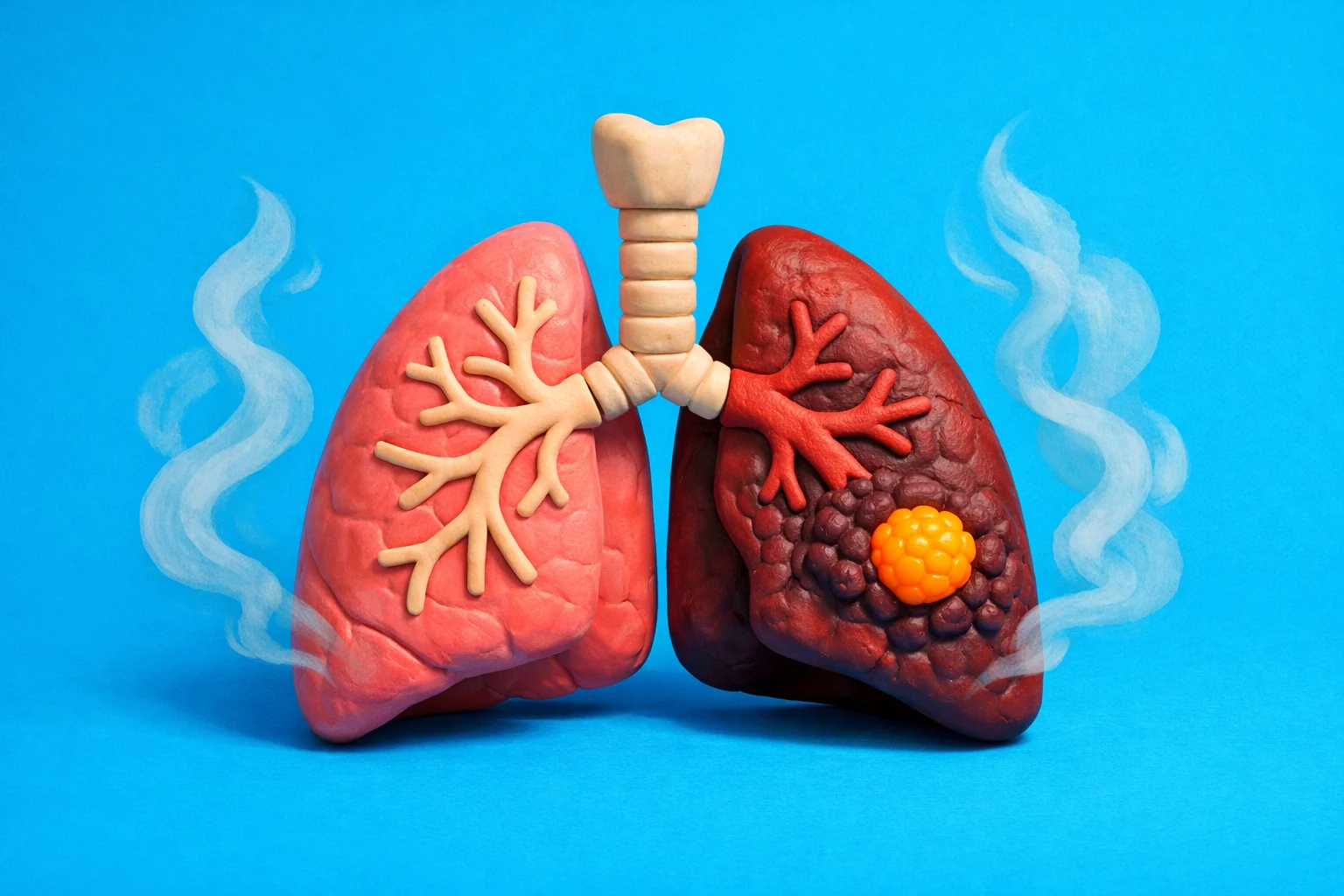
Your answers stack up in a “consistent-and-progressive” pattern. You tended to pick symptoms that show up most days, get worse with exertion, and come with a chronic cough or mucus. You also leaned toward risk-history clues like long-term smoke or irritant exposure, plus only partial “bounce-back” after a quick-relief inhaler.
Analyst
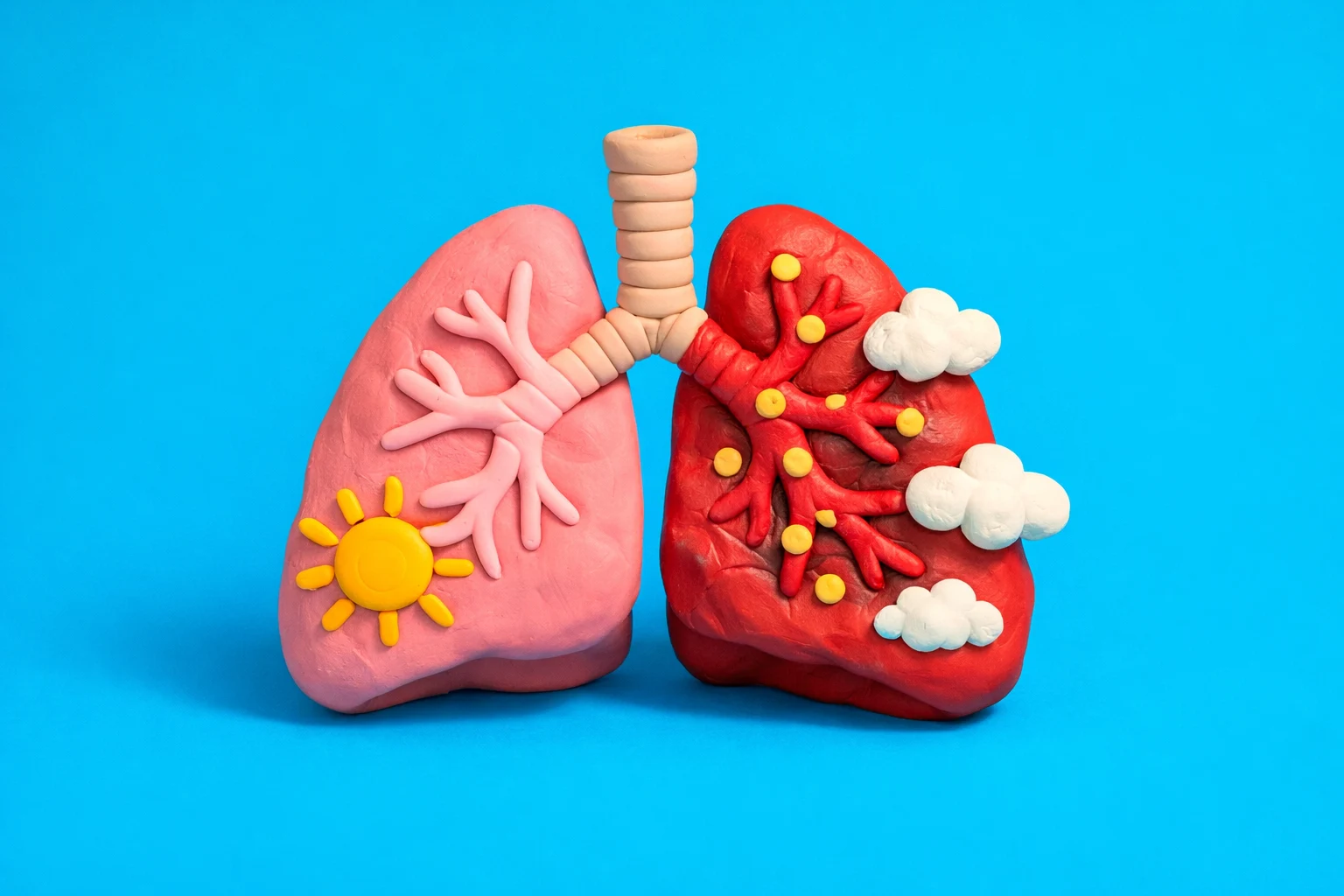
Your pattern reads “variable-and-reversible.” You gravitated toward wheeze or chest tightness that comes and goes, nighttime or early-morning flares, and strong trigger links like allergens, cold air, or specific seasons. You also picked answers where breathing improves a lot after bronchodilator use or after the trigger ends.
Creative
Your result is the “plot twist” blend. You often chose exercise, laughter, cold air, or sudden scent exposure as the spark, with symptoms that can spike fast and then settle. This type commonly appears when your answers suggest exercise-induced patterns, stress-adjacent flares, or a mix of cough and wheeze that changes depending on the day.
Connector
You scored as “overlap and context matters.” You picked a mix of steady symptoms and variable attacks, or your history and triggers pulled in different directions. This type shows up when the quiz sees close signals for both COPD-leaning and asthma-leaning patterns, or when key details like onset age, exposures, and response to inhalers are unclear.
COPD vs Asthma Symptom Quiz FAQ (screenshots, ties, and next steps)
How accurate is this quiz at telling COPD from asthma?
It is a pattern-match tool, not a medical test. It can highlight which story your symptoms resemble based on timing, triggers, exposure history, and “how much you bounce back,” but it cannot confirm what is happening in your lungs. Use your result as a conversation starter for spirometry and a real exam.
What does it mean if I get Connector, or if my results feel like a tie?
A close match usually means your answers included both “variable flare” clues and “most-days” clues. That can happen with overlapping conditions, shifting exposures, or missing context like pack-years, childhood symptoms, or seasonality. Retake and answer as your typical month, not your worst day.
Should I retake it if I am sick right now or just had a bad flare?
Yes. A cold, bronchitis, wildfire smoke, or a rough allergy week can temporarily change your answers. If you want your baseline archetype, retake when you are back to normal and focus on your usual triggers, cough pattern, and day-to-day breathing limits.
How do I interpret “reversibility” questions without overthinking?
Answer from lived experience. If a quick-relief inhaler or rest makes you feel noticeably better within minutes to an hour, that leans toward a more reversible pattern. If you get only a small change and you still feel limited with walking or stairs most days, that leans toward a more fixed pattern.
When should I skip quizzes and get urgent help?
Get urgent care for severe shortness of breath at rest, blue lips or face, confusion, fainting, chest pain, or trouble speaking full sentences. Those are “do not wait” signals, even if you think it is asthma or COPD.
Airway Cinematic Universe: easter eggs hidden in common symptoms
This quiz treats COPD and asthma like two rival story arcs with some shared side characters. Spotting the trope is half the fun, because the details you pick change the ending.
Trope spotting, but make it lungs
- Asthma is the “episode drop.” The plot hits at night, after exercise, around pets, or when cold air shows up like an uninvited guest.
- COPD is the “slow-burn season.” The cough sticks around, stamina shrinks over time, and winter infections feel like a long, messy filler arc.
- Bronchodilator response is your power-up meter. Big, fast relief reads like a strong power-up. Partial relief reads like a buff with limits.
- FEV1/FVC is the scoreboard stat. You do not need to love the numbers to recognize the vibe: “tight and stuck” versus “tight but it opens.”
Hidden cameos fans love to call out
- Atopy cameo: eczema, allergies, or nasal symptoms often sneak into asthma-leaning stories.
- Pursed-lip breathing: the signature move people describe when trying to stretch out an exhale.
- The stairs boss fight: exertion is a recurring antagonist in COPD-leaning patterns.
Best share prompt: post your archetype and your top trigger, then compare notes like it is a character alignment chart.
How people accidentally roleplay the wrong lungs on this quiz
This quiz is a vibe check, so tiny “story edits” can swing your result. If you want a truer match, answer like you are writing your most typical episode recap.
Common ways answers get skewed
- Answering as your worst day. A single brutal flare can make everything look constant. Think “most weeks,” not “that one scary Tuesday.”
- Downplaying smoke, vaping, or work exposures. People often skip the awkward details. Exposure history is one of the biggest separators in the quiz logic.
- Calling every wheeze “asthma.” Wheeze can show up in multiple patterns. The quiz cares about timing, triggers, and recovery, not the word itself.
- Forgetting the cough genre. Dry, tickly cough that comes and goes reads differently than a daily cough with mucus.
- Ignoring sleep clues. Night or early-morning symptoms are a huge tell. If you regularly wake up tight or coughing, say so.
- Over-crediting a single “magic inhaler.” Some people answer based on what they hope the medication does. Answer based on what you actually feel after using it.
Two quick honesty hacks
- Pick one baseline month and answer from that snapshot.
- Name your top three triggers in your head first, then choose options that match them.