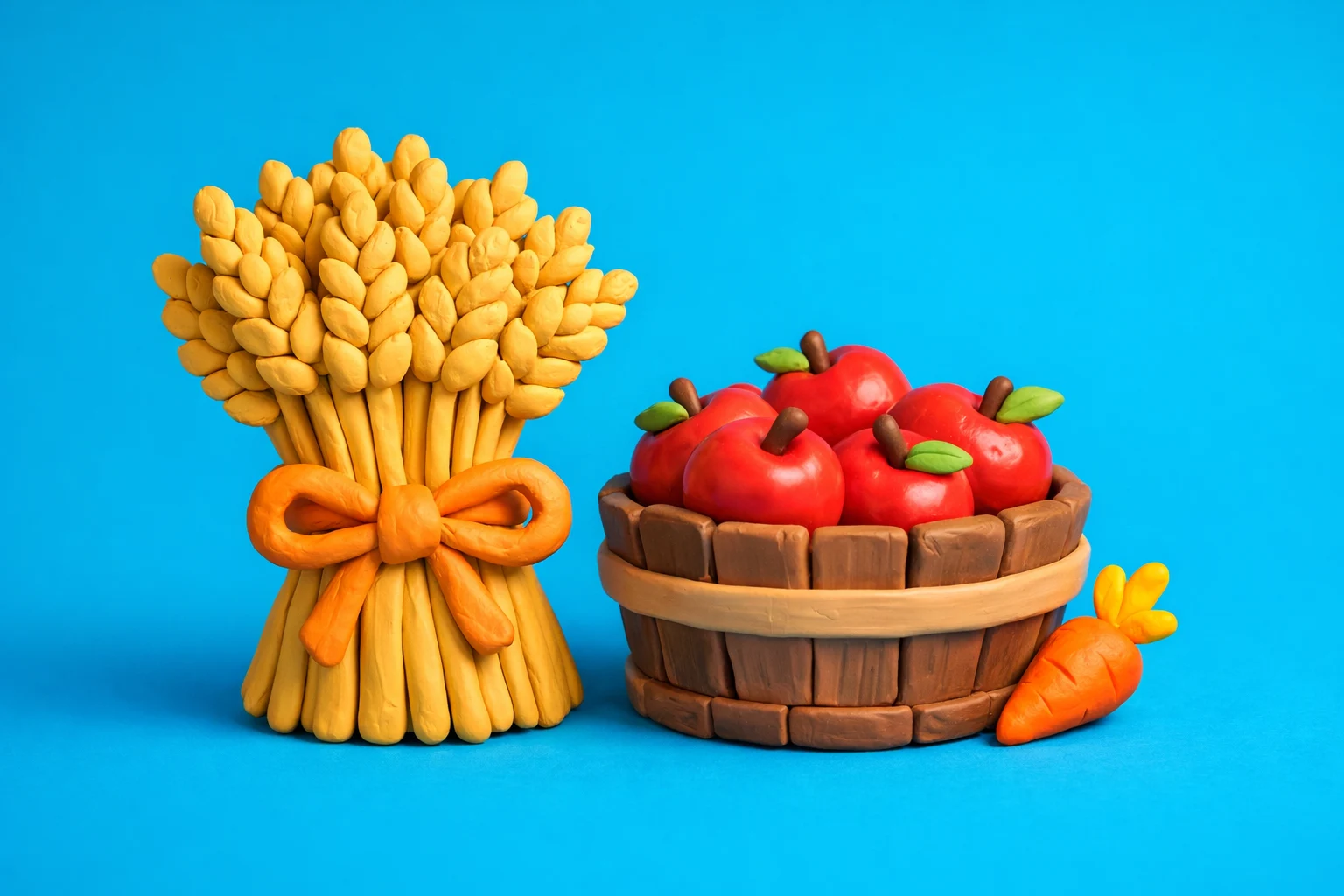
Harvest Quiz
True / False
True / False
Select all that apply
Put in order
Select all that apply
Select all that apply
Select all that apply
Frequent Errors in Harvest Trivia and How to Avoid Them
Mixing Harvest Festivals with Other Autumn Holidays
A common mistake is treating Halloween or generic fall parties as harvest festivals. Many harvest celebrations, such as Sukkot or Mid-Autumn Festival, have religious or cultural roots and specific rituals. Check whether a tradition centers on giving thanks for crops, not just costumes or spooky themes.
Confusing Hemispheres and Seasons
Quiz takers often assume harvest always occurs in September or October. This fits much of the Northern Hemisphere but not regions south of the equator. For questions about countries like Australia or Argentina, remember that their main harvest period often falls in March or April.
Mistaken Festival Locations and Cultures
Players regularly misplace harvest festivals on the map. Chuseok belongs to Korea, Pongal to South India, and Thanksgiving to North America. Avoid guessing by theme alone. Tie each festival to a specific country or cultural group during study.
Mixing Up Staple Crops and Symbols
Another error is pairing the wrong crop with a region. Rice dominates many East and Southeast Asian harvests, while wheat and barley matter more in parts of Europe. Pumpkins, cornucopias, and corn are closely tied to North American autumn imagery. Build small mental associations between crop, climate, and culture.
Ignoring Religious and Historical Context
Some harvest trivia questions hinge on religious commandments, lunar calendars, or historical events. Students sometimes focus only on food and ignore these layers. When you study, note whether a festival follows a lunar date, honors a specific deity, or began after a major historical change in farming or society.
Harvest Festivals and Autumn Crops Quick Reference Sheet
How to Use This Harvest Cheat Sheet
Use this sheet to review key harvest festivals, crops, symbols, and timelines before taking the harvest quiz. You can print it or save it as a PDF for offline study.
Seasonal Timing of Harvest
- Northern Hemisphere: Main harvest from late August through November.
- Southern Hemisphere: Main harvest from February through May.
- Key celestial markers: Many traditions align with the autumn equinox or full moons in early fall.
Major Harvest Festivals by Region
- United States and Canada: Thanksgiving. Focus on gratitude for the harvest, shared meals with turkey, corn, pumpkins, and cranberries.
- East Asia: Mid-Autumn Festival (China and others), Chuseok (Korea), Tsukimi (Japan). Emphasis on the full moon, rice harvest, and family gatherings.
- South Asia: Pongal (Tamil region), Onam (Kerala), Makar Sankranti. Connected to rice, sugarcane, and the sun's movement.
- Jewish tradition: Sukkot. Weeklong festival of booths remembering desert wanderings and giving thanks for produce.
- Europe: Traditional harvest home events, church harvest festivals, and agricultural fairs highlighting grain and apples.
Typical Harvest Crops and Symbols
- Grains: Wheat, barley, rice, and corn are frequent answers for staple harvest crops.
- Fruits and vegetables: Apples, grapes, squash, and pumpkins appear in many autumn harvest questions.
- Symbols: Cornucopia (horn of plenty), sheaves of grain, full moon, wreaths, and decorated barns or altars.
Key Vocabulary
- Harvest: The act or season of gathering mature crops from the fields.
- Equinox: Date when day and night are roughly equal in length. Often marks the start of autumn observances.
- Agrarian: Related to farming communities and rural life.
- Staple crop: Main food source for a region, such as rice in much of Asia or maize in parts of the Americas.
Step-by-Step Solutions to Sample Harvest Quiz Questions
Example 1: Matching Festival to Country
Question: Which country is most closely associated with the harvest festival called Pongal?
Reasoning: Pongal involves boiling rice and celebrating the sun. It is linked with Tamil culture and sugarcane harvests. Tamil Nadu is a state in India. The correct answer is India.
Example 2: Identifying the Season
Question: In the Northern Hemisphere, which season usually contains the main grain harvest for traditional European farming communities?
Reasoning: Grain crops such as wheat and barley are sown earlier in the year and collected after they ripen. In Europe this work peaks between August and October. That period falls in autumn.
Example 3: Connecting Symbol and Theme
Question: A quiz clue mentions a horn-shaped basket overflowing with fruit and grain. What is this symbol called, and what idea does it represent?
Reasoning: The horn shape points to the cornucopia. Trivia questions often focus on its meaning. It stands for abundance and plenty after a successful harvest. The correct answer is cornucopia, symbolizing abundance.
Example 4: Distinguishing Harvest from Other Fall Events
Question: A celebration includes carving pumpkins, costumes, and trick-or-treating. Is this usually classified as a harvest festival in trivia questions?
Reasoning: These features describe Halloween. It takes place in autumn but focuses on costumes and spooky themes. Many quizzes treat it as separate from thankfulness-based harvest observances. The correct response is no, it is usually not counted as a harvest festival.
Harvest Quiz and Harvest Trivia FAQ
What topics does this harvest quiz focus on?
The quiz focuses on harvest festivals, seasonal crops, symbols, and customs from different cultures. You can expect questions about timing of harvest seasons, regional staple foods, meanings of common harvest symbols, and key features of major celebrations such as Thanksgiving, Mid-Autumn Festival, Pongal, and Sukkot.
Is this harvest quiz suitable for adults with some background knowledge?
Yes. The difficulty targets adults who already recognize basic fall holidays and want deeper detail. Questions often require linking a festival to a specific region, explaining symbolism, or distinguishing harvest events from other autumn celebrations instead of only recalling simple names.
How can I prepare for harvest trivia questions in advance?
Organize your study by region. For each area, list main harvest festivals, traditional foods, and the time of year they occur. Review meaning of symbols such as the cornucopia, sheaves of wheat, full moon, and decorated booths. Pay attention to which events follow lunar calendars or religious commandments.
Do I need detailed farming knowledge to do well on the quiz?
You do not need technical agronomy. You only need general awareness of staple crops and why they matter. For example, know that rice dominates many Asian harvests, maize and pumpkins are central in North American fall themes, and grains such as wheat or barley link strongly to European traditions.
How can I use my quiz results to improve my harvest festival teaching or events?
Identify which region or concept you missed most often. If you confuse festivals or symbols, build short reference cards for that set of traditions. Use your stronger areas to create confident explanations, then gradually add details from weaker regions into lesson plans, trivia nights, or seasonal community events.