Most Dangerous Ways to School in Bolivia
True / False
True / False
Select all that apply
True / False
Select all that apply
Select all that apply
Select all that apply
Put in order
Select all that apply
True / False
Frequent Errors on “Most Dangerous Ways To School” Bolivia Worksheet Quizzes
Mixing Up Bolivia, Colombia, and Nicaragua Details
Many learners blend scenes from the three Latin American episodes. Students often place Colombian river canoes in Bolivia or give Nicaraguan horseback details to Colombian students. Always note the country name, setting, and transport method before answering.
Ignoring Map and Visual Clues
Worksheets often pair questions with maps or still images from the film. A common mistake is answering from memory only. Study the captions, compass directions, and symbols on the map. Check clothing, terrain, and weather in images before writing.
Listing Dangers Without Explanation
Short answer questions usually need both a danger and its effect. Students might write “steep cliffs” or “strong river current” without explaining how this threatens the children. Add phrases such as “which could cause them to slip and fall” or “which can overturn the canoe.”
Missing Compare-and-Contrast Language
Comparison questions require clear signal words. Learners sometimes describe Bolivia and Colombia separately without stating similarities or differences. Use terms such as “both,” “however,” and “in contrast” to show relationships between routes.
Weak Use of Text Evidence
Many worksheets ask for evidence from narration or subtitles. Vague replies like “the video says it is hard” receive low credit. Refer to a specific line, description, or scene. Paraphrase key phrases to support your answer clearly.
Quick Reference Sheet for “Most Dangerous Ways To School” Bolivia Worksheets
Print-Friendly Notes
Use this quick reference while you work on “Most Dangerous Ways To School” Bolivia, Colombia, and Nicaragua worksheets. You can print this section or save it as a PDF for offline study.
Key Episode Facts: Bolivia
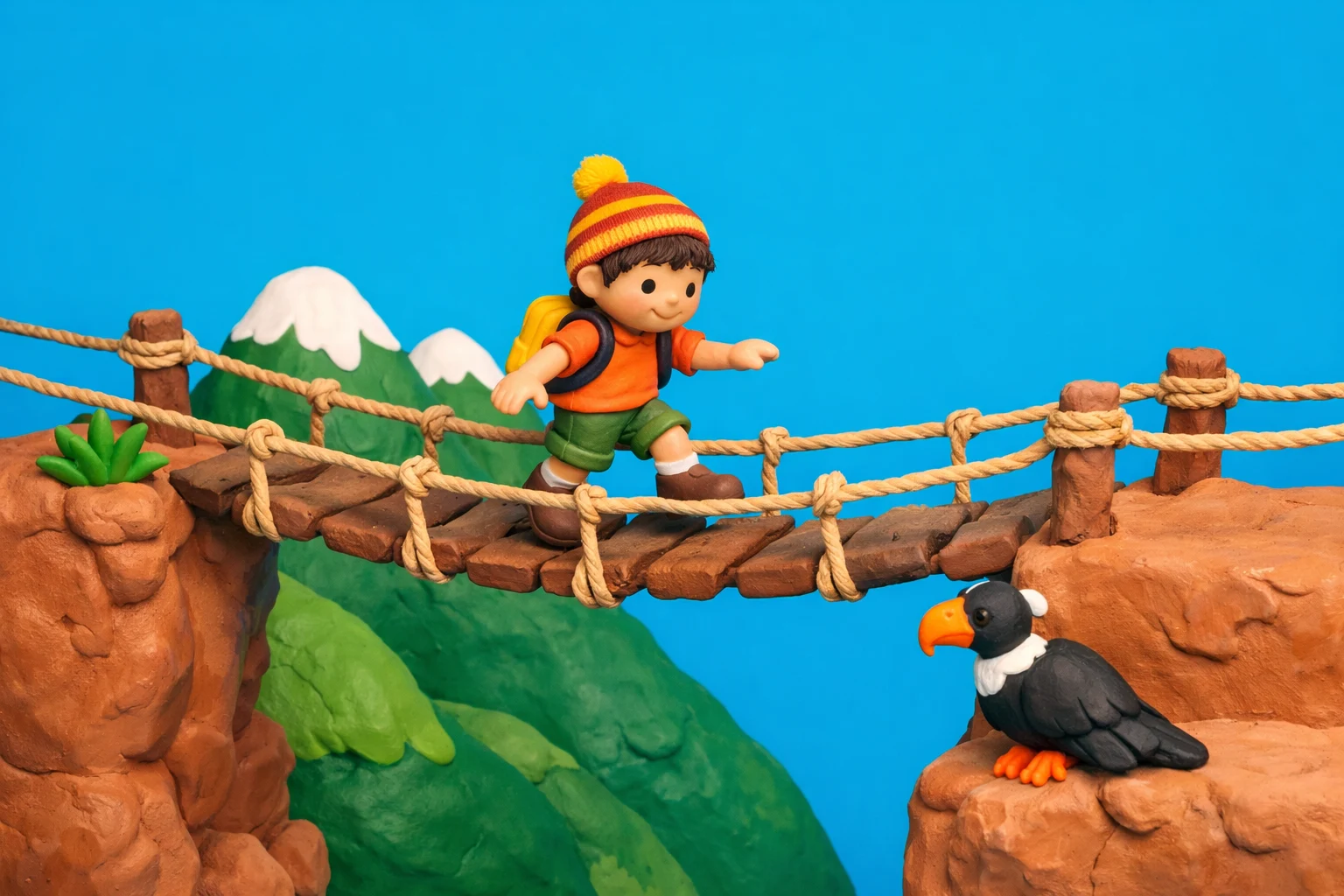
- Setting: Remote Bolivian Andes, high altitude, narrow mountain paths.
- Main transport: Walking long distances, sometimes along cliff edges.
- Major dangers: Loose rocks, landslides, extreme weather, thin air.
- Time to school: Very long walk that begins early in the morning.
- Theme focus: Physical endurance, family support, value placed on schooling.
Key Episode Facts: Colombia
- Setting: Tropical region with dense forest and wide rivers.
- Main transport: Canoes or small boats, sometimes makeshift rafts.
- Major dangers: Strong currents, flooding, storms, hidden obstacles in water.
- Theme focus: Isolation of river communities and barriers to daily attendance.
Key Episode Facts: Nicaragua
- Setting: Rural highlands and farmland.
- Main transport: Horse or mule, then walking.
- Major dangers: Crossing rivers, slippery slopes, animal risks.
- Theme focus: Balancing chores, distance, and commitment to school.
Common Worksheet Task Types
- Recall questions: Identify route length, transport, or specific hazards.
- Cause and effect: Explain how environment shapes school access.
- Compare and contrast: Show similarities and differences among Bolivia, Colombia, and Nicaragua routes.
- Opinion with evidence: Give your view on fairness or safety, supported by details from the video.
Worked Question Examples for “Most Dangerous Ways To School” Bolivia Worksheets
Example 1: Explaining Dangers in Bolivia
Question: "Describe two dangers Bolivian children face on their way to school and explain how these affect the trip."
- Identify the scene. Recall the steep, narrow path high in the Andes where children walk along cliffs.
- List possible dangers. Examples include loose rocks, landslides, and sudden storms.
- Select two clear dangers. Choose “steep cliffs” and “rockslides.”
- Explain effects. Connect each hazard to a result, such as falling or being blocked.
- Sample answer. “One danger is the steep cliff next to the path, which makes a small slip very risky. Another danger is falling rocks that can cause rockslides, which might block the route or injure the students.”
Example 2: Comparing Bolivia and Colombia Routes
Question: "Compare the routes taken by students in Bolivia and Colombia. How are they similar and different?"
- Make a T-chart. Write “Bolivia” on one side, “Colombia” on the other.
- List features. For Bolivia, note mountain paths and walking. For Colombia, note rivers and canoes.
- Find similarities. Both groups travel long distances and face natural hazards.
- Find differences. One is on mountains, the other on water. Weather and type of danger also differ.
- Sample answer. “Both groups travel far through nature to reach school and face serious risks. In Bolivia they walk on narrow mountain paths with cliffs, while in Colombia they use canoes on wide rivers with strong currents.”
FAQ for the Most Dangerous Ways To School Bolivia Worksheet Answers Quiz
What does this quiz focus on for the Bolivia worksheet answers?
This quiz focuses on key content from the Bolivia segment of “Most Dangerous Ways To School.” It checks your recall of route details, the physical dangers students face, and the reasons their families still support the long trip to school.
Are Colombia and Nicaragua worksheet topics included in the questions?
Yes. Many items connect the Bolivia episode with Colombia and Nicaragua. You will compare transport types, terrain, and specific risks, and you will explain how students in each country handle distance, weather, and obstacles on the way to school.
How can I prepare before taking this worksheet answers quiz?
Rewatch the relevant clips or review your class notes. Make a simple table with columns for Bolivia, Colombia, and Nicaragua. List setting, transport, dangers, and time to school. This structure will help you answer comparison and cause-and-effect questions more accurately.
Does this quiz give the exact worksheet answer key?
No. The quiz checks understanding of the same ideas as common classroom worksheets. It guides you toward accurate, evidence-based responses instead of offering a copied answer key. Use it to confirm your reasoning and improve your own written answers.
How can teachers use this quiz with their Most Dangerous Ways To School unit?
Teachers can assign the quiz after students complete the Bolivia or multi-country worksheets. The results can show which dangers, geographic details, or themes students misunderstand. This feedback supports small-group review of scenes, maps, and discussion questions about access to education.