
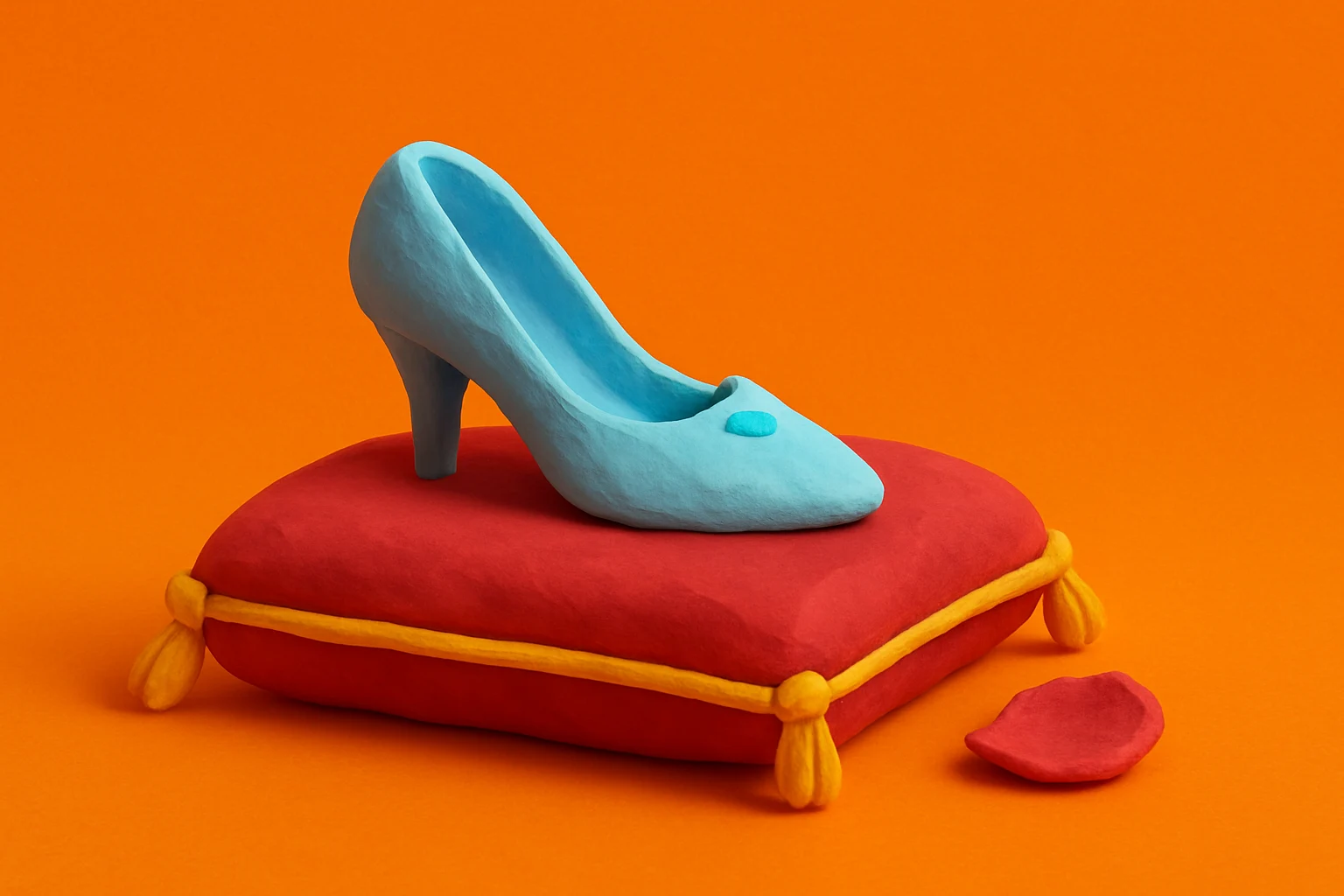
Which Disney Princess Am I? Quiz
Answer Traps That Pull You Away From Your Disney Princess Match
Picking your favorite princess instead of your real habits
It is easy to answer as the character you love most, especially if you grew up quoting her lines. That turns the quiz into a popularity vote. If you want a better match, focus on what you do automatically, not what you admire. Loving Ariel’s boldness can still pair with Belle’s quiet curiosity in real life.
Answering “aspirationally” to look brave, chill, or unbothered
Many people choose the boldest option because it feels flattering. That can inflate Moana or Mulan results. If you usually think first, plan carefully, or avoid conflict, that can point more toward Belle, Tiana, or Cinderella. Your result is more useful when it reflects your baseline, not your highlight reel.
Forgetting context, you are not one mood forever
Some questions hit differently depending on energy and stress. Under pressure, a Jasmine type might become even more direct, while a Rapunzel type might switch from playful to anxious over-planning. When you answer, imagine a typical week that includes both busy days and relaxed days.
Over-rewarding “independence” and under-counting support
People often think needing help cancels strength. It does not. Cinderella strength is consistency, not loud confidence. If you are loyal, patient, and steady, do not force yourself into the most rebellious choice just to prove something.
Speed-clicking the first option that sounds smart
Belle-coded answers often sound thoughtful. If you pick them automatically, you can miss your real pattern. Pause for one beat and ask, “Would I actually do this, or do I wish I did?”
Disney Princess Personality Quiz Help Desk
How accurate is this Disney princess result?
It is a personality-style match, not a clinical assessment. The quiz groups everyday preferences into story-shaped patterns, like Belle’s curiosity, Tiana’s drive, or Jasmine’s independence. Treat the result as a mirror for self-reflection and conversation. If you want a more structured framework, you can also Discover Your 16 Personality Type.
I got a princess I do not relate to. What should I do?
Read the description like a set of traits, not a costume. If the label feels off, scan for one or two lines that still fit. For example, “Cinderella” can mean calm follow-through, not passivity. “Ariel” can mean curiosity and quick connection, not impulsiveness. If nothing fits, retake and answer as your typical self on an average week.
What if I feel tied between two princesses?
Ties are common because real personalities overlap. Use a tie-breaker: which description fits you under stress, and which fits you when you feel safe? Stress can push people toward Mulan or Tiana patterns, while comfort can reveal Rapunzel or Cinderella patterns. If you are consistently split, treat your result as a blend and borrow the best growth tip from both.
Can I retake the quiz without “gaming” it?
Yes. Change your approach, not your goal. On the retake, answer faster and avoid explaining your choice in your head. You will often land on the same core type if it is a real fit. If the result flips, that can signal a true mix, like Belle plus Jasmine, or Moana plus Mulan.
How should I interpret my result with friends who get something different for me?
Use it as a conversation starter. Ask them which specific behaviors made them think you are, for example, more Moana than Cinderella. Friends often notice patterns you miss, like how quickly you set boundaries (Jasmine) or how consistently you finish what you start (Tiana). If you want another playful comparison, try Which Animal Matches Your Personality.
Credible Reading on Personality Testing, Traits, and Response Bias
- Association for Psychological Science (APS): Research-focused psychology organization with accessible articles and teaching materials that explain how personality research is conducted.
- APA Division 12 (Assessment) Teaching Resources: Curated links on psychological assessment, including how measures are built and used responsibly.
- International Personality Item Pool (IPIP): Public-domain personality items and background material on trait measurement, useful for understanding how quiz-style items map to traits.
- The Big-Five Trait Taxonomy (University of Oregon PDF): A detailed academic overview of the Big Five model and how traits are organized and studied.
- CDC Question Evaluation (NCHS CCQDER): Plain-language guidance on survey question quality, including common response biases like social desirability.
Want more quizzes like this? Explore the full QuizWiz workplace quiz library.